Synthetic training data — auto-labeled

Photorealistic training images.
Zero annotation.

Built for CV and ML teams — SMPL, COCO, and custom label formats
Built for body-tracking platforms — diverse data, no photo studio
Built for privacy-sensitive apps — no real subjects, no consent needed

3D body models rendered into photorealistic images via diffusion — guided by depth maps, surface normals, and pose. Labels are derived from the same 3D geometry: keypoints, segmentation, and body measurements. No annotation team, no labeling bottleneck.

Also Any body type & pose Edge cases on demand Custom scenes & lighting SMPL-compatible output
1M+
3D body models in the library
100M+
Distinct image variations possible
0
Manual labels needed
No ceiling on dataset volume
No human subjects — GDPR friendly
SMPL, COCO, and custom output formats
Pose, segmentation, depth, measurements
Any body type, skin tone, background
Edge cases and rare poses on demand

How it works

3D model → photorealistic image → geometry-derived labels.

Each image starts as a 3D body model. Diffusion rendering — guided by depth, surface normals, and pose — produces a photorealistic result. Labels are computed from the same 3D geometry that drives the render.

Step 01 — Model

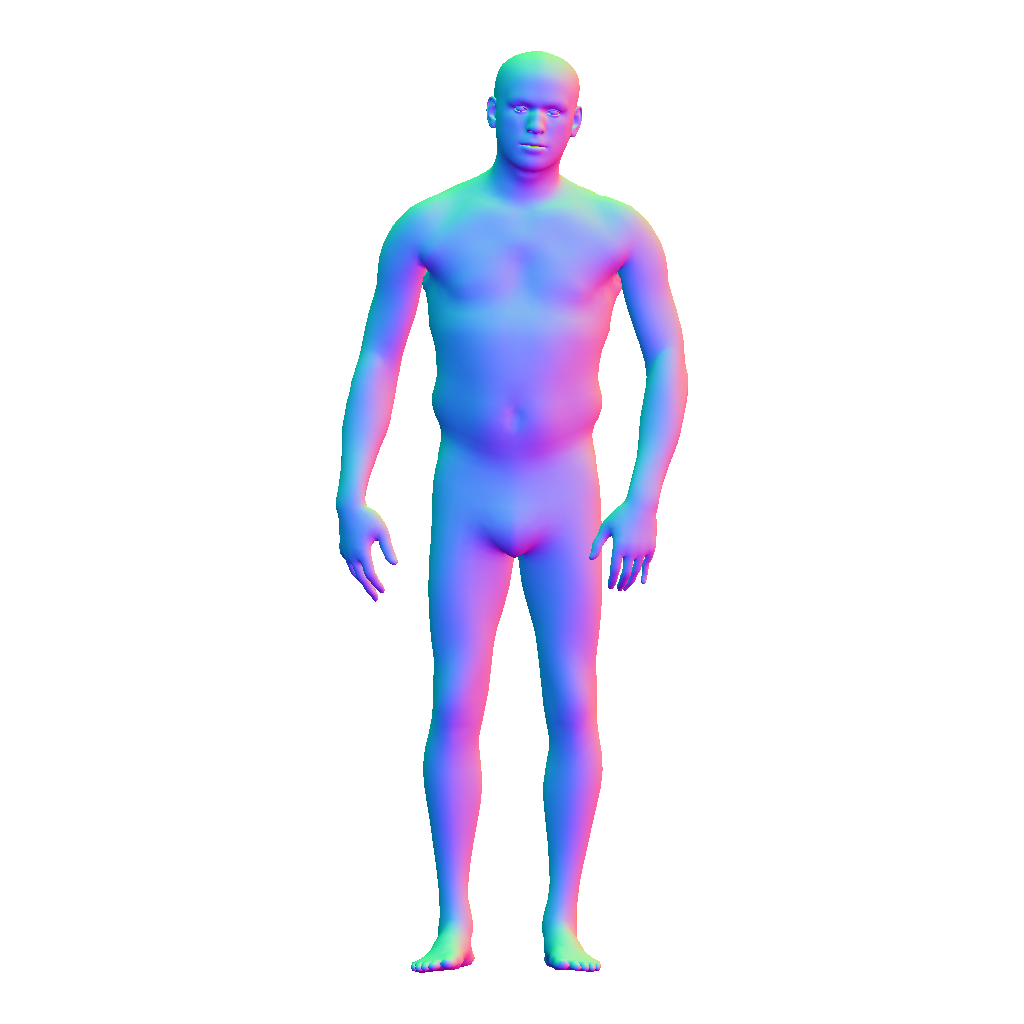
Start with a 3D body

Choose from over one million rigged 3D body models — any body type, proportion, and pose. Specify lighting, background, and camera angle, or let us generate the variation set for you.

Step 02 — Render

Diffusion creates the image

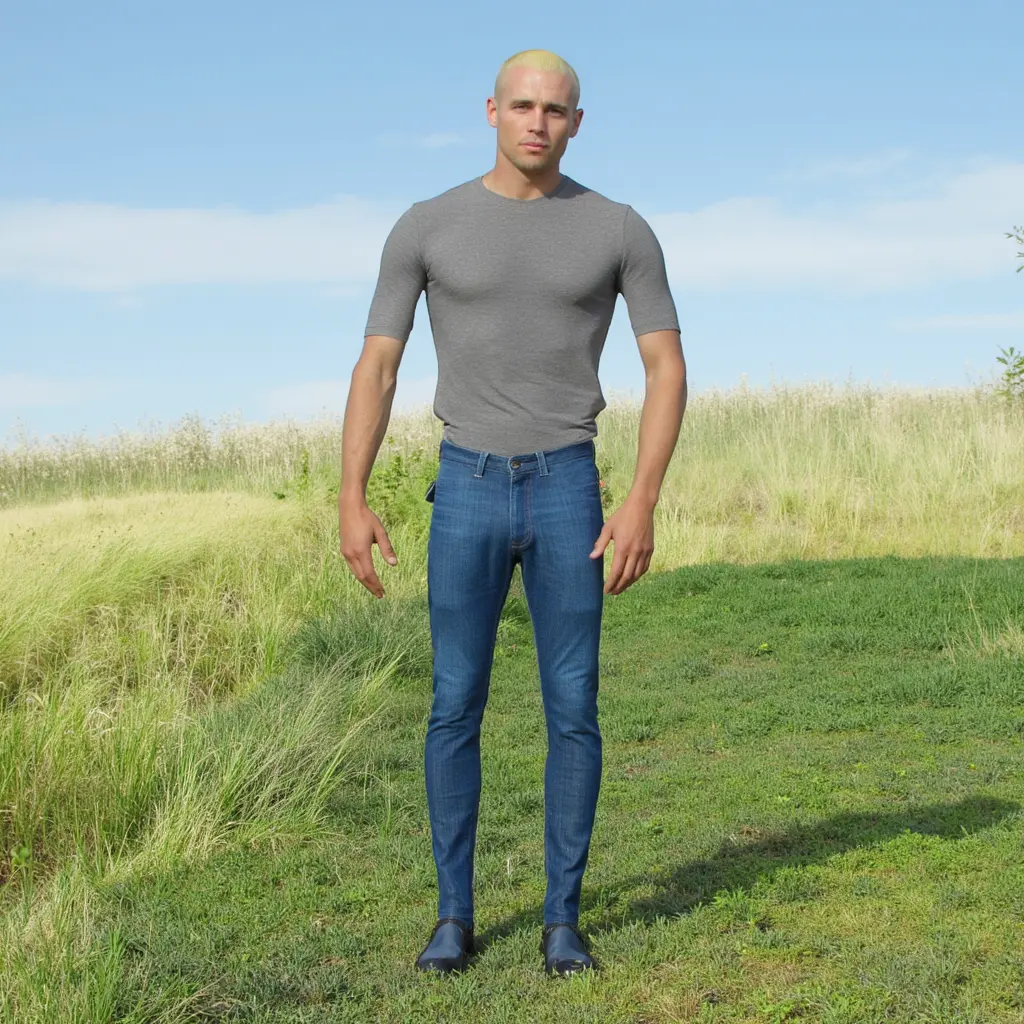
A diffusion model conditioned on depth maps, surface normals, and pose generates a photorealistic image. The result looks like a real photograph while remaining grounded in the 3D structure.

Step 03 — Label

Labels derived from the model

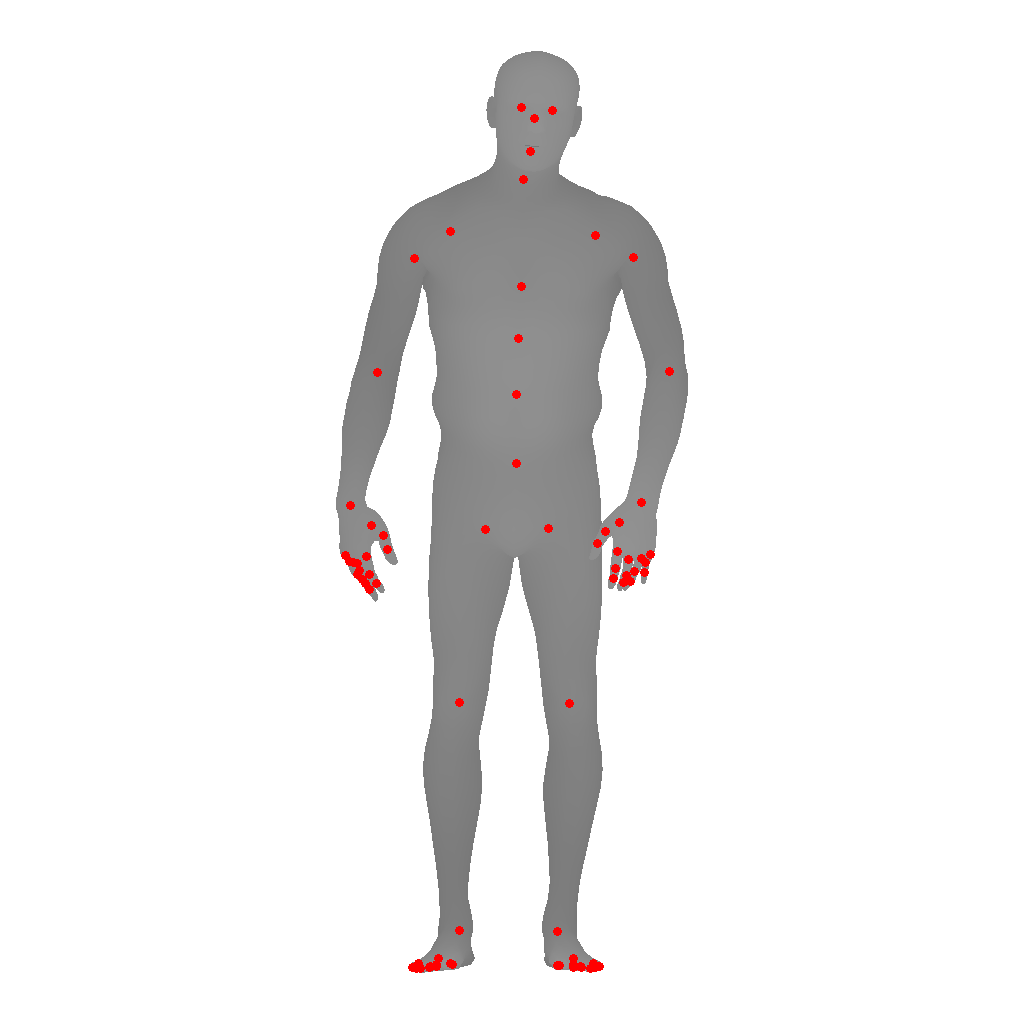
Keypoints, segmentation masks, depth maps, and body measurements are computed directly from the 3D geometry — the same source that drives the render. No manual annotation required.

Left
3D body model — the source
Centre
Photorealistic render via diffusion
Right
Geometry-derived labels — keypoints, mask, depth

Who it's built for

One pipeline. Two clear problems solved.

Whether you're training a computer vision model or building a body-tracking product, the annotation bottleneck is the same — and synthetic data removes it.

Body-Tracking Platforms

Diverse body data — no photo studio required

Training a body measurement or pose detection model requires representation across body types, proportions, and demographics. Photographing and labeling that diversity is expensive and slow. Synthetic generation covers the full range instantly, with no consent overhead.

  • 1M+ body model library — any height, weight, and proportion
  • Full range of skin tones, ages, and body shapes
  • Body measurements derived from 3D geometry per image
  • No real human subjects — no GDPR or HIPAA exposure
Talk to us about your dataset →

Technology

Photorealistic images, grounded in 3D geometry.

Diffusion rendering conditioned on depth, surface normals, and pose produces images that look like real photographs. Labels are computed from the same 3D geometry — no game engine or Blender scene required.

3D model library
1M+ body models
Full range of body types, heights, weights, and poses — all rigged and poseable
Rendering approach
Diffusion-based
Conditioned on depth maps, surface normals, and pose for photorealistic, grounded output
Label types
Pose, mask, depth, measurements
2D/3D keypoints, instance segmentation, depth map, bounding box, and 100+ body measurements
Output formats
SMPL · COCO · Custom
SMPL body model parameters, COCO-format keypoints, and custom schemas for your pipeline
Label alignment
Geometry-derived
Labels computed from the 3D source — keypoints, masks, and depth share the same ground truth as the render
Privacy
No real subjects
No biometric data captured or stored. Compatible with GDPR and HIPAA requirements.
Image variations
100M+ per model
Lighting, background, camera angle, and skin tone all independently variable
Body diversity
Any body type
Full range of heights, proportions, all sexes, any skin tone — specify the distribution you need
Also explore: AI motion capture from video →

FAQs

Common questions

How are labels generated, and how accurate are they?+

Labels are computed directly from the 3D body model geometry — keypoints, segmentation masks, depth maps, and body measurements all share the same ground truth as the render. Because generation uses diffusion conditioned on depth, surface normals, and pose, there is natural variation between the 3D source and the photorealistic output — similar to the variation you see when SMPL parameters are fitted to real images. For most pose estimation, segmentation, and body measurement tasks this is not a practical limitation. Whether it is right for your specific model is a good question to explore on a call.

How does synthetic data compare to real annotated images for model performance?+

For pose estimation, segmentation, and body measurement tasks, synthetic data often matches or exceeds real datasets — especially when real data is limited, biased toward certain body types, or inconsistently labeled. Synthetic data also makes it easy to target specific distributions: more edge cases, a particular demographic split, or poses that rarely appear in real footage. Many teams use it to supplement real data or to specifically fill gaps in their existing dataset.

What output formats are supported?+

We support SMPL body model parameters (shape and pose coefficients compatible with standard 3D body modelling pipelines), COCO-format keypoints, instance segmentation masks, depth maps, bounding boxes, and body measurements. Custom output schemas are available — contact us with the format your pipeline expects.

How do you handle the domain gap between synthetic and real images?+

Diffusion-based rendering produces significantly more realistic images than traditional 3D pipelines — natural lighting, texture variation, and background complexity are inherent to the generation process. We also vary camera properties, skin tone, and scene conditions across the dataset. For specific deployment environments, the rendering distribution can be tuned to better match your target domain.

Is the data GDPR and HIPAA compliant?+

Yes. No real human subjects are used at any stage. The 3D models are synthetic, the rendered images are synthetic, and no biometric data from real individuals is captured or stored. There are no data subject rights, no consent requirements, and no re-identification risk.

How do I get started?+

Email info@snapmeasureai.com with a description of your model, target task, and any specific requirements around body type distribution, pose range, or label format. We'll follow up to discuss what a sample dataset would look like for your use case.
Interested in synthetic
training data?

Get in touch to discuss your dataset requirements and what a sample would look like for your use case.